Residential survey services

Choose the level of insight your property requires.

Our services are designed to match the depth of inspection and reporting to the age, construction, condition and complexity of the property.

RICS Level 2 Home SurveyRICS Home Survey Level 2

Suitable for conventional homes that appear to be in reasonable condition.

  • Identifies significant visible defects and areas needing urgent attention.
  • Provides advice on repairs and ongoing maintenance.
  • Helps you decide whether further checks are needed before you buy.
Read More
RICS Level 3 Building SurveyRICS Home Survey Level 3

A more detailed survey for older, altered, unusual or poorly maintained properties.

  • Examines the accessible parts of the property in greater detail.
  • Explains defects, their likely causes and the consequences of leaving them unrepaired.
  • Sets out repair options and priorities to help you plan ahead.
Read More
RICS Specific Defect ReportSpecific Defect Report

A focused assessment when you have a concern about one particular issue.

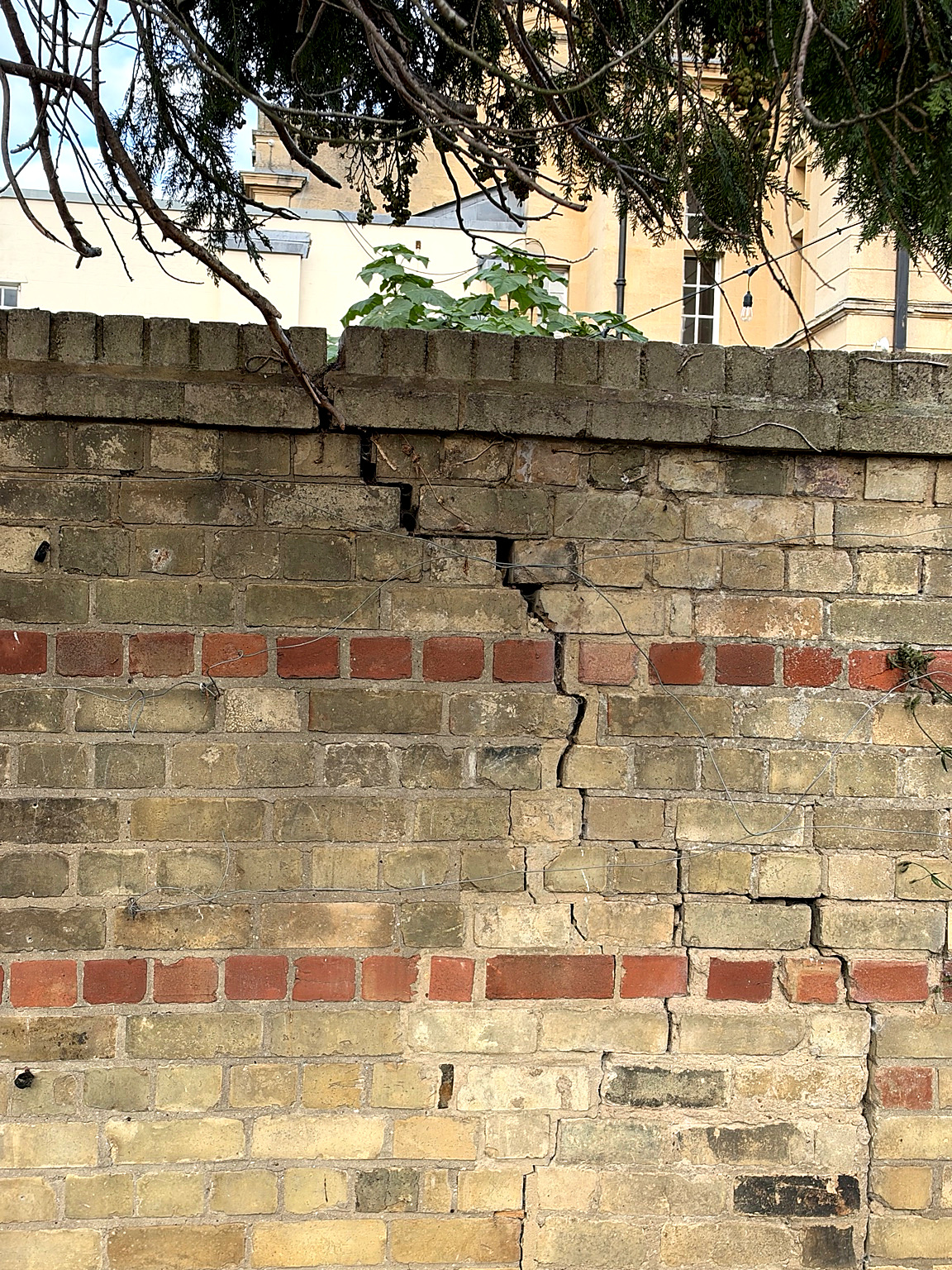
  • Investigates a specific problem, such as damp, cracking or a roof defect.
  • Explains the likely cause and potential implications.
  • Recommends appropriate next steps, repairs or further investigation.
Read More
RICS Level 2 Home Survey

A practical overview for conventional homes.

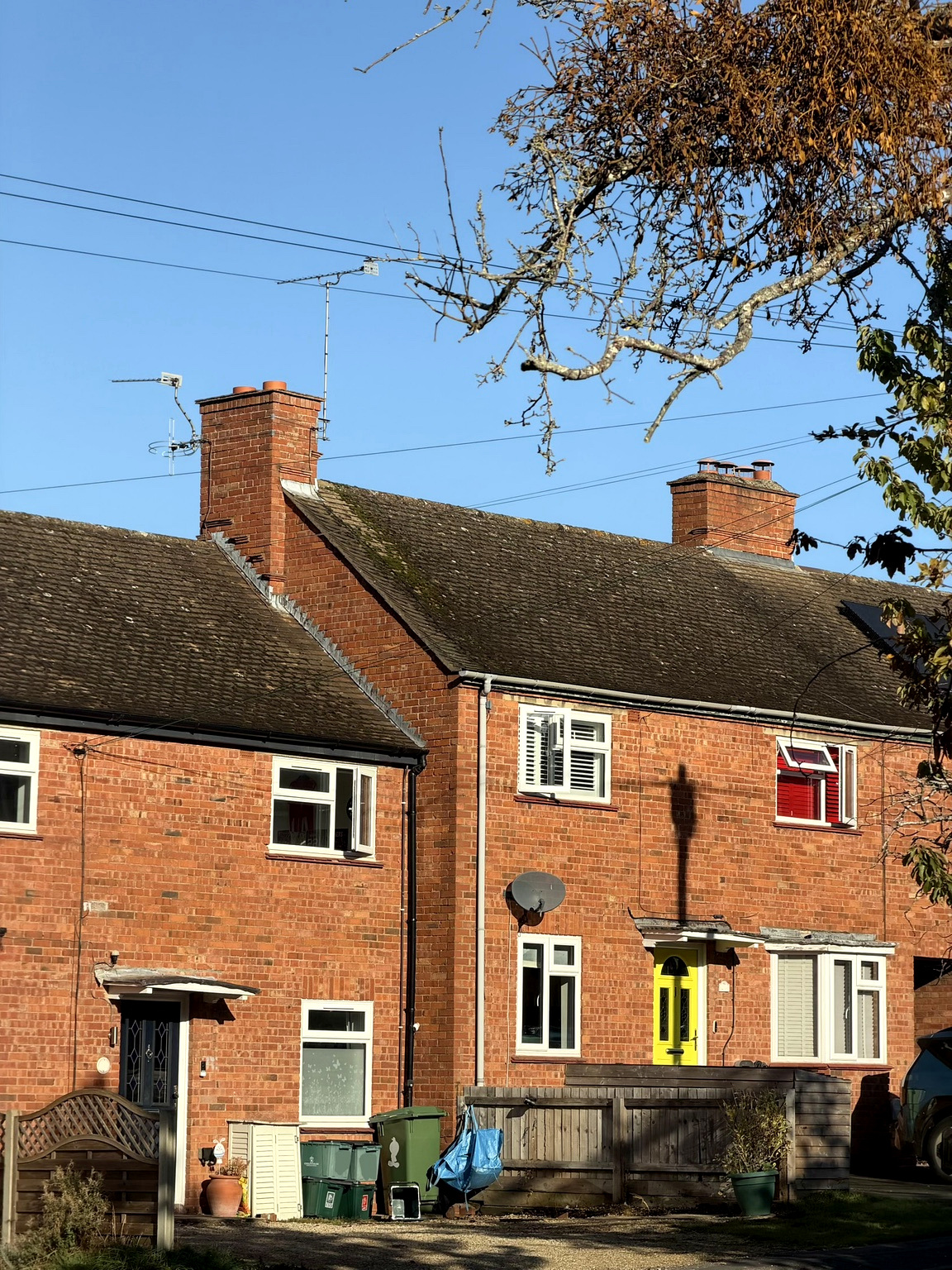
A Level 2 Home Survey is generally suited to a conventional property built using common construction methods, with no obvious signs of extensive alteration or serious disrepair. It gives buyers a practical overview of the property’s condition before they commit to a purchase.

The survey covers the accessible parts of the building and its grounds. The report describes significant visible defects, highlights matters that need urgent attention and explains where repairs or maintenance may be required. It also identifies issues that should be checked by a specialist or raised with your solicitor before exchange of contracts.

A Level 2 Home Survey can help you:

  • Understand the property’s condition. Find out whether visible issues appear to be routine maintenance matters or require more immediate attention.
  • Prepare for repair costs. Identify work you may need to arrange soon after moving in, as well as maintenance to plan for over time.
  • Ask the right questions. Know when to request paperwork for alterations, guarantees or service records, or seek further specialist advice.
  • Make an informed decision. Consider the survey findings alongside the purchase price and your plans for the home.

A Level 2 survey is often a good choice for a relatively straightforward house, bungalow or flat in reasonable condition. If the property is older, heavily altered, unusually constructed or visibly in poor condition, a Level 3 Building Survey may be more appropriate.

Get a Quote
RICS Level 3 Building Survey

Detailed analysis for older and more complex property.

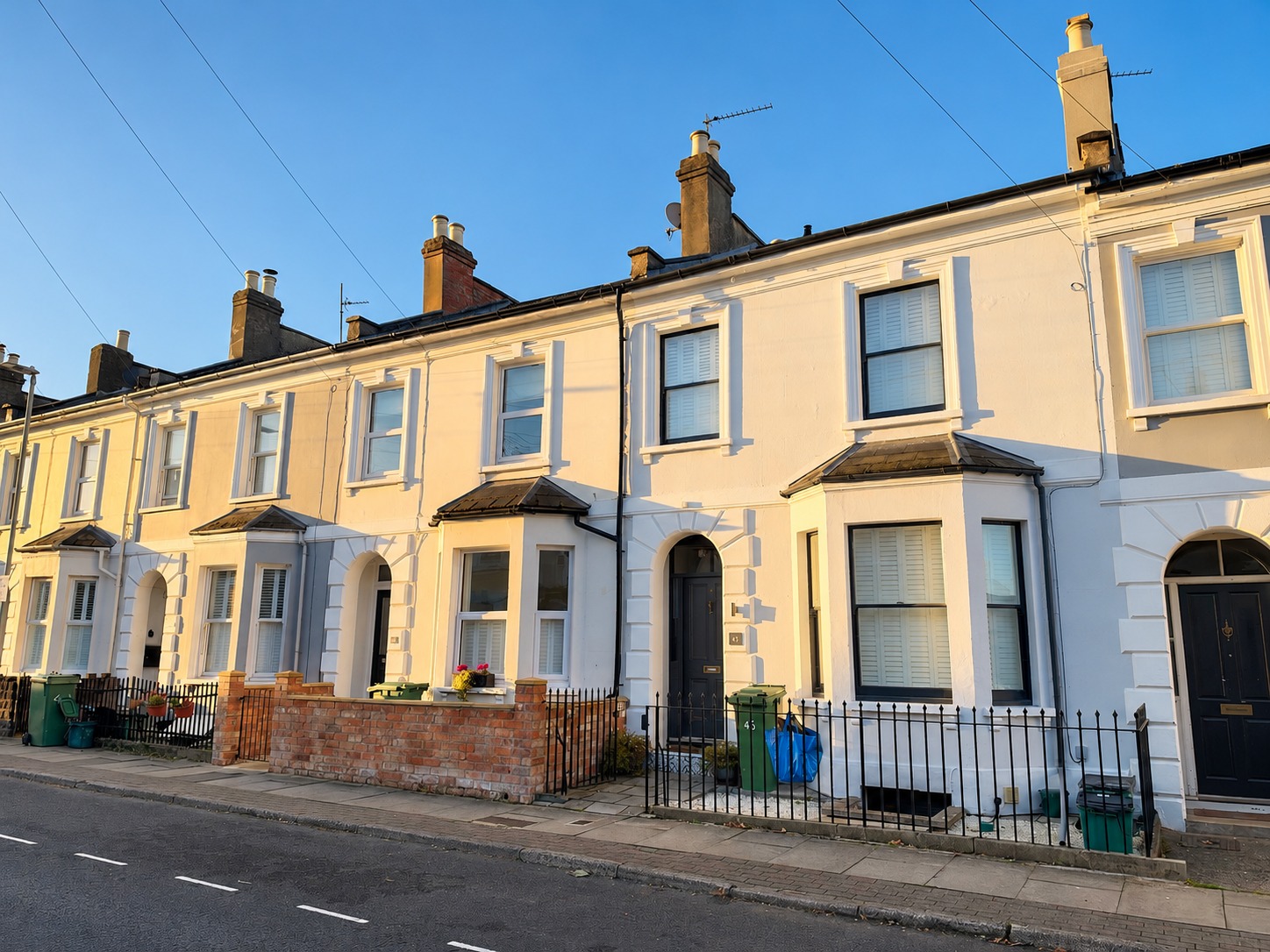
A Level 3 Building Survey provides a more detailed assessment of a property’s construction and condition. It is particularly useful for older or period buildings, properties with significant alterations or extensions, unusual construction, visible defects or a history of poor maintenance. It is also worth considering if you expect to carry out substantial renovation work.

The inspection examines accessible parts of the property in greater detail. The report describes the materials and construction where they can be established, explains significant defects and considers their likely causes. It also discusses the possible consequences of leaving repairs outstanding, outlines appropriate repair options and indicates which work should take priority.

A Level 3 Building Survey can help you:

  • Understand complex defects. Gain more detailed advice on concerns such as dampness, cracking, roof defects, timber deterioration or previous alterations.
  • Plan repairs in the right order. See which matters need prompt attention and which can be addressed through planned maintenance.
  • Assess a refurbishment project. Understand the condition of the building before deciding how much work you are prepared to take on.
  • Investigate uncertainty before purchase. Identify areas where access was restricted or where specialist investigation is needed to establish the full extent of a problem.
  • Budget more realistically. Use the findings to obtain appropriate contractor quotations before committing to the purchase.

A Level 3 survey provides more detail, but it is still based on an inspection of accessible areas. Where a defect may extend into concealed parts of the building, the report will explain the concern and recommend further investigation where appropriate.

Get a Quote
RICS Specific Defect Report
Specific Defect Report

Focused advice for one defined concern.

A Specific Defect Report is designed for a particular concern rather than an assessment of the whole property. It can be useful if you own a home and have noticed a developing problem, or if you are considering a purchase and want a closer assessment of an issue already identified.

The inspection focuses on the reported defect and the accessible areas that may help explain it. This could include dampness, cracking, a roof leak, defective masonry, or another clearly defined concern. The report records the visible evidence, considers likely causes and explains the potential implications. It then sets out appropriate repair options or further investigations where the cause or extent cannot be confirmed by visual inspection alone.

A Specific Defect Report can help you:

  • Get focused advice. Understand a particular problem without commissioning a whole-property survey when one is not needed.
  • Avoid treating only the symptom. Consider the likely source of a defect before arranging repairs.
  • Decide what to do next. Learn whether the issue calls for maintenance, repair, monitoring or specialist investigation.
  • Discuss the work with contractors. Use an independent assessment to help you seek relevant quotations.

Because this service is limited to an agreed issue, it does not provide an opinion on the condition of the rest of the property. If you are buying and need a broader understanding of the home, a Level 2 or Level 3 survey is likely to be more suitable.

Get a Quote
Survey comparison

Which survey is most appropriate?

The property and your concerns should determine the service — not simply the purchase price.

CategoryRICS Level 2 Home SurveyRICS Level 3 Building SurveySpecific Defect Report
When to choose itWhen buying a conventional property and you want to understand its overall conditionWhen buying an older, altered, unusual or poorly maintained property and you need detailed adviceWhen you need advice on one known problem
Depth and detailIdentifies significant visible defects, repairs and maintenance needsExplains defects, likely causes, implications, repair options and priorities in greater detailExamines the agreed defect, its likely cause, implications and next steps
Typical property or concernA conventional house, bungalow or flat in reasonable conditionA period property, renovation project or property with significant alterations or visible defectsDampness, cracking, a roof leak or another specific concern
Inspection processVisual inspection of accessible parts of the property and groundsMore extensive visual inspection of accessible parts of the property and groundsFocused inspection of the defect and relevant accessible areas
Report coverageThe property as a wholeThe property as a whole, in greater detailThe agreed concern
Turnaround time2–4 days3–5 days3 days
Cost of repairs

Use the survey to plan realistic next steps.

Survey findings can help you identify which repairs need urgent attention, which items should be budgeted for over time and where contractor quotations are needed before exchange. The report is not a contractor's specification, and exact costs depend on access, materials, location, design and the extent of concealed work.

For significant defects, obtaining quotations from suitable contractors or specialists is often the best way to understand the likely financial commitment. Where cost advice is included within the agreed service, it should be treated as a broad guide rather than a fixed tender price.

  • Separate urgent repairs from routine maintenance
  • Obtain specialist quotations for high-value or uncertain work
  • Allow for access, scaffolding and associated making-good
  • Keep a contingency for concealed defects
Local RICS surveyor advising on property repairs
Important scope

What a residential survey does and does not do.

Understanding the inspection limits helps you use the report effectively.

Visual and non-destructive

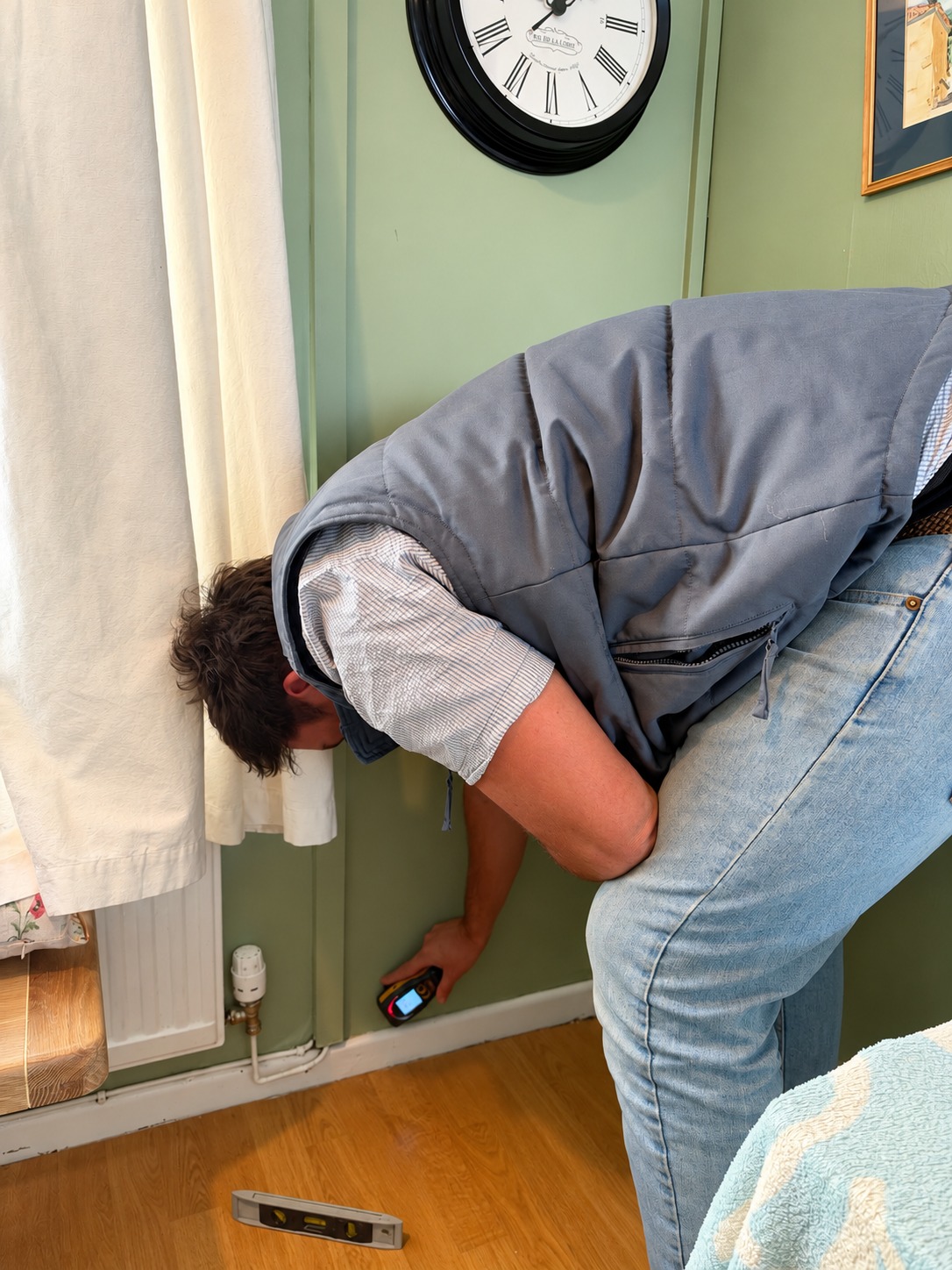
Surveyors do not normally open up the building fabric, lift fitted floor coverings, move heavy furniture or undertake specialist testing of services.

Subject to access

Lofts, roofs, subfloors, outbuildings and service installations are inspected only so far as access, safety and the agreed service permit.

Specialist checks may follow

Where reasonable confidence cannot be reached, the report may recommend further investigation by a suitably qualified contractor or specialist.

Frequently asked questions

Clear answers before you instruct us.

These answers cover common questions about residential surveys, scope and the next steps in the process.

What is the difference between a Level 2 and Level 3 survey?

A RICS Level 2 Home Survey gives an overview of a conventional property’s condition, highlighting significant defects, repairs and maintenance needs. A RICS Level 3 Building Survey provides a more detailed assessment of construction and defects, including likely causes, implications and repair options.

Which survey is suitable for an older property?

A Level 3 Building Survey is often the better choice for an older or period property, particularly if it has been altered, needs renovation or shows signs of defects. It provides more detailed advice to help you understand the building and plan repairs.

What is a Specific Defect Report?

A Specific Defect Report investigates one agreed concern, such as dampness, cracking or a roof leak. It focuses on the visible evidence, likely cause and appropriate next steps. It does not assess the condition of the whole property.

What happens if my survey finds a serious problem?

Your report will explain the concern, its potential implications and what further advice or investigation may be needed. You can then obtain specialist findings or repair quotations before exchange of contracts and decide how the issue affects your purchase.

Not sure which service fits the property? We will guide you.

Contact us →
Get an instant quote